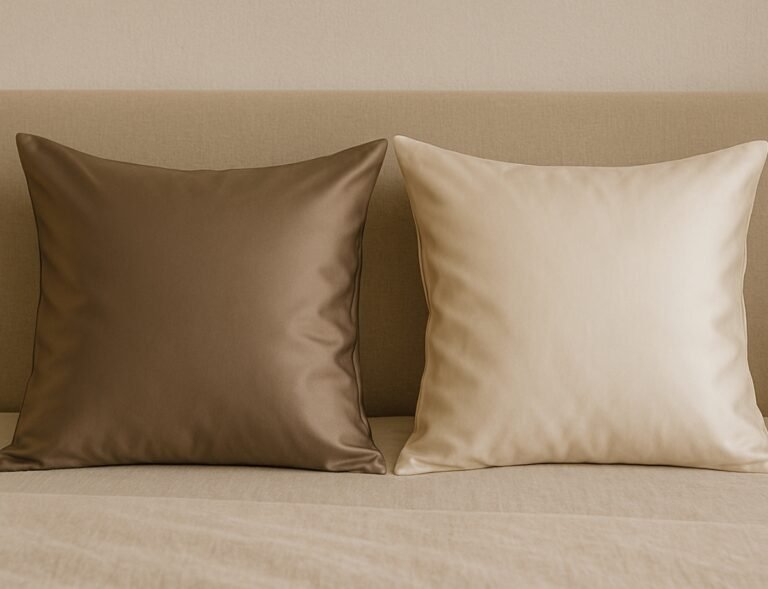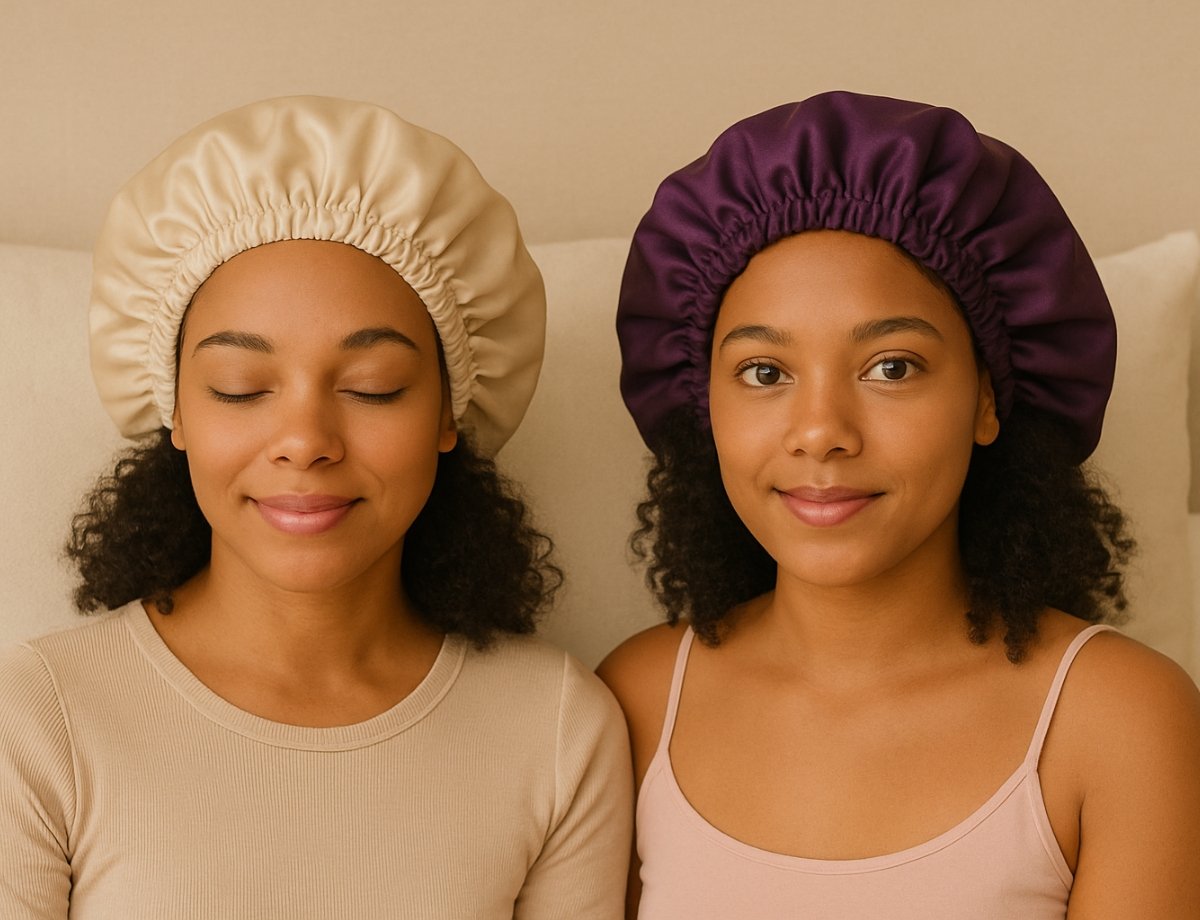
Silk vs Satin Bonnets: Which Is Actually Better For Your Hair?

Night after night, your choice of hair protection silently determines your morning look. Silk and satin bonnets both promise to preserve your style and prevent damage, but they deliver remarkably different results. The real distinction goes beyond luxury versus affordability. Understanding what truly separates these materials reveals why one might transform your hair while the other merely maintains it. Your hair type, sleeping habits, and care routine all point to a clear winner.
Quick Comparison
| Feature | Silk Bonnets | Satin Bonnets |
|---|---|---|
| Material | Natural protein fiber from silkworms | Weave pattern typically made from synthetic fibers |
| Price Range | $30-60+ | $10-25 |
| Friction Reduction | Superior (30-40% less friction) | Very good |
| Moisture Retention | Excellent, naturally moisture-regulating | Good, but may trap excess moisture |
| Frizz Control | Exceptional, with anti-static properties | Very good, slight static possible |
| Temperature Regulation | Naturally cooling and breathable | Less breathable, retains more heat |
| Durability | 6-12 months with regular use | 1-2 years with proper care |
| Maintenance | Hand wash, air dry, special care required | Machine washable, easier to clean |
| Best For | • Damaged/chemically treated hair • Sensitive scalps • Hot sleepers • Premium hair care routines • Those willing to invest in luxury | • Budget-conscious shoppers • Those needing durability • People wanting easy care • Restless sleepers • Beginners to protective hair care |
| Hair Types | Especially beneficial for: • Very dry, coily hair (4A-4C) • Fine, breakage-prone hair • Color-treated hair • Transitioning hair | Works well for: • Most hair types • Those using heavy products • Protective styles • Thicker hair needing secure fit |
| Quality Indicators | • Smooth, consistent texture • Substantial feel • Mulberry silk specification • Momme weight listed (19-22 ideal) | • Double-layered construction • Reinforced stitching • Adjustable fit options • Consistent, tight weaving |
Understanding the Difference: Silk vs Satin
The confusion between silk and satin bonnets begins with a fundamental misunderstanding: silk is a natural fiber, while satin is a weave pattern. This distinction is crucial when deciding which material will better protect your hair.
Silk is produced by silkworms and has been treasured for thousands of years for its incredible softness and natural properties. It’s composed of protein fibers that create an exceptionally smooth surface. When used in bonnets, genuine silk offers a luxurious feel that’s unmatched by synthetic alternatives.
Satin, contrary to popular belief, isn’t a material at all. It’s a specific weaving technique that creates a glossy surface on one side and a matte finish on the other. Modern satin is typically made from polyester, nylon, or rayon – all synthetic fibers. However, high-quality satin can also be made from silk, creating what’s known as “silk satin.”
When you touch both materials, you’ll notice silk has a softer, more substantial feel with a subtle luster. Satin typically feels lighter and has a more pronounced shine. Against your hair, silk tends to have a more natural “grab” while satin creates an exceptionally slippery surface.
One common misconception is that all shiny, smooth hair bonnets are silk. In reality, most affordable bonnets marketed as “silk” are actually polyester satin. True silk bonnets are generally more expensive, starting around $30-60, while satin alternatives typically range from $5-20.
The molecular structure of these materials also differs significantly. Silk contains amino acids that naturally complement the proteins in your hair. These proteins can help maintain your hair’s moisture balance without absorbing essential oils. Synthetic satin doesn’t offer these biological benefits, though it still provides mechanical protection through its smooth surface.
Hair Protection Benefits Compared
When choosing between silk and satin bonnets, understanding how each material interacts with your hair can make all the difference in your hair protection routine.
Friction reduction is perhaps the most important benefit of wearing a hair bonnet. Both silk and satin create smooth surfaces that minimize the abrasion that cotton pillowcases cause. However, silk has a slight edge here. The natural protein structure of silk creates an almost frictionless surface that’s gentler on delicate hair strands. Satin bonnets still reduce friction dramatically compared to cotton, but microscopic analysis shows silk produces 30-40% less friction on hair strands.
When it comes to moisture retention, the differences become more pronounced. Silk is naturally moisture-regulating rather than moisture-wicking or absorbing. It helps hair maintain its natural hydration balance without drawing oils away from your strands or scalp. Satin, especially polyester satin, doesn’t breathe as well and can sometimes trap excess moisture against the scalp, which might be problematic for those prone to scalp issues.
For frizz control, both materials perform admirably, but in slightly different ways. Silk’s extremely smooth fibers prevent the hair cuticle from being roughed up during sleep, resulting in noticeably reduced frizz by morning. The slight static that can develop with some synthetic satin bonnets may occasionally counteract this benefit, especially in very dry environments.
The heat regulation difference between these materials is substantial. Silk is a natural temperature regulator, keeping you cool in summer and warm in winter. This balanced environment helps prevent excess sweating that can disrupt hairstyles and scalp health. Synthetic satin tends to retain heat more, which can be uncomfortable in warmer climates or for hot sleepers.
For those with sensitive skin or scalp conditions like eczema or dermatitis, silk offers hypoallergenic properties that synthetic materials can’t match. Silk contains natural sericin, a protein that resists dust mites and certain allergens. This makes silk bonnets potentially better for those with sensitivities.
Both materials help extend the life of protective styles and blowouts, though the superior breathability of silk may help styles last an extra day or two compared to synthetic satin bonnets.
The protection benefits of both materials are significant compared to using nothing at all, but silk’s natural properties give it a slight performance advantage for most hair types when purely considering hair health benefits.
Practical Considerations That Matter
Beyond hair benefits, several practical factors influence whether a silk or satin bonnet will serve you better in daily life.
Durability is a key consideration when investing in hair protection. Somewhat surprisingly, satin bonnets typically outlast their silk counterparts with regular use. The synthetic fibers in polyester satin resist pulling and tearing better than the delicate natural fibers of silk. A well-made satin bonnet can easily last 1-2 years with proper care, while silk bonnets often begin showing wear after 6-12 months of nightly use. This durability difference becomes especially apparent if you have longer nails or jewelry that might catch on the fabric.
Maintenance requirements vary significantly between the two materials. Silk requires gentler handling – typically hand washing with mild detergent or specialized silk cleaners, and air drying away from direct sunlight. Improper washing can damage silk’s natural proteins and cause the material to lose its beneficial properties. In contrast, most satin bonnets are machine washable on gentle cycles and can withstand more frequent cleaning. This ease of care makes satin more practical for busy lifestyles or for those who prefer low-maintenance beauty routines.
The breathability difference is notable, especially for those who sleep warm. Silk’s natural fibers allow air to circulate more freely, creating a cooler sleeping experience. This breathability helps prevent the buildup of sweat that can undo hairstyles or create scalp issues. Synthetic satin tends to trap heat and moisture more, which some users find uncomfortable during warmer months.
Perhaps the most obvious practical difference is price point. Quality satin bonnets typically range from $10-25, while genuine silk bonnets start around $30-60 and premium versions can exceed $100. This substantial price difference makes satin the more accessible option for many people, especially those new to protective hair care or on tight budgets.
The elastic longevity also differs between typical silk and satin bonnets. The elastic bands on satin bonnets often retain their stretch longer than those on silk bonnets, providing a more secure fit throughout the night. This is particularly important for those who move frequently during sleep or have thicker, fuller hair that puts more pressure on the bonnet’s elastic.
When considering long-term value, the equation becomes more complex. While silk bonnets cost more initially, their superior hair benefits might reduce the need for expensive damage repair treatments or frequent haircuts. However, satin bonnets’ lower cost and greater durability make them the more practical choice for many consumers seeking a balance between performance and price.
Choosing Based on Your Hair Type
Different hair textures and conditions respond uniquely to silk and satin bonnets, making your specific hair type an important factor in deciding which material will serve you better.
For curly and coily hair (types 3A-4C), moisture retention is absolutely critical. Silk bonnets offer slight advantages here due to their natural humidity-balancing properties. The protein structure of silk helps preserve your hair’s natural moisture without causing frizz. Satin still provides excellent protection, but those with very dry, tightly coiled hair might notice better moisture retention with silk. Those who use heavy butter-based products may prefer satin’s slightly more slippery surface, which prevents product transfer and buildup on the bonnet itself.
If you have fine or straight hair (types 1A-2A), you face different challenges. Fine hair is more susceptible to breakage and often becomes flat or oily quickly. The extremely low friction of silk helps prevent breakage while its natural breathability controls oil production better than synthetic alternatives. However, the lighter weight of satin bonnets may feel more comfortable and less likely to cause flattening of delicate styles. For those with straight hair who battle flyaways, silk’s anti-static properties offer a subtle but noticeable advantage.
For color-treated or chemically processed hair, protection needs intensify. The cuticle layer of your hair is already compromised, making it more vulnerable to friction damage. Silk’s exceptionally smooth surface provides maximum protection for these damaged cuticles. Additionally, silk’s natural temperature regulation helps preserve color longer by preventing the heat fluctuations that can cause color molecules to leach from the hair shaft. While satin still offers significant protection, silk’s natural properties make it the premium choice for expensively colored or treated hair.
Those with sensitive scalps or skin conditions like eczema, psoriasis, or dermatitis should consider silk’s hypoallergenic qualities. Unlike synthetic materials that can sometimes trigger reactions, silk’s natural proteins are less likely to cause irritation. Silk also repels dust mites and contains natural antimicrobial properties that make it preferable for those with scalp sensitivities. If you notice itching or irritation with synthetic satin, switching to a silk bonnet might provide relief.
For transitioning hair (those growing out relaxers or heat damage), the combination of different textures requires special care. Silk bonnets tend to accommodate these different textures more gently, providing protection for both the more fragile processed ends and the stronger new growth. The natural slip of silk helps prevent breakage at the demarcation line where these textures meet.
Those who protective style frequently may benefit from satin’s durability and easier cleaning regimen, as these bonnets can withstand the frequent washing needed when oils and products build up during long-term protective styling.
Ultimately, while both materials offer significant benefits over cotton, your specific hair needs should guide your choice between the premium properties of silk and the practical benefits of satin.
The Final Verdict: When to Choose Each
After weighing the properties of both materials, the question remains: which bonnet deserves a place in your nighttime routine? The answer depends on your specific priorities and circumstances.
Choose a silk bonnet when:
Your hair needs maximum protection. If you’re recovering from severe damage, have highly processed hair, or are trying to grow out fragile strands, silk’s superior protective qualities make it worth the investment. The natural protein structure of silk creates the gentlest environment possible for vulnerable hair.
You have sensitive skin or scalp issues. The hypoallergenic properties of silk and its natural resistance to dust mites and certain allergens make it the safer choice for those with eczema, dermatitis, or general sensitivities.
You’re willing to invest in premium hair care. While silk bonnets cost more initially, they represent an investment in both hair health and luxury. For those who already spend significantly on professional treatments and high-end products, a silk bonnet complements that level of care.
You sleep hot but still want protection. Silk’s superior breathability and natural temperature regulation make it more comfortable during warm nights or for those who tend to overheat during sleep.
You’re looking for the most elegant experience. Beyond pure function, silk offers a luxurious feel that synthetic materials simply cannot replicate. The subtle luster and substantial drape of real silk elevate your nighttime routine to a self-care ritual.
Choose a satin bonnet when:
You need maximum durability. If you’re rough on your hair accessories, have children who might handle your bonnet, or simply prefer not to worry about delicate care requirements, satin’s resilience makes it the practical choice.
You’re on a budget but still want protection. Satin bonnets deliver approximately 80-90% of the benefits of silk at a fraction of the cost, making them an excellent value proposition for most users.
You want easy care. The machine-washable nature of most satin bonnets fits seamlessly into busy lifestyles without requiring special detergents or hand-washing routines.
You need secure staying power. The lighter weight of satin combined with typically stronger elastic means these bonnets tend to stay in place better throughout the night, especially for restless sleepers.
You’re new to protective nighttime hair care. Satin bonnets provide an accessible entry point to better hair protection without requiring a significant financial commitment before you’re sure about incorporating this habit into your routine.
Quality indicators to look for:
Regardless of which material you choose, certain features indicate a quality bonnet:
- Double-layered construction for maximum protection and durability
- Reinforced stitching at stress points like the elastic band
- Adjustable fit options like drawstrings or varied elastic tension
- Appropriate sizing for your hair volume and length
- Consistent, tight weaving with no loose threads or puckering
The reality is that both materials offer dramatic improvements over cotton pillowcases or unprotected sleep. Many hair experts recommend starting with a quality satin bonnet and upgrading to silk if you notice benefits and want to take your protection to the next level. Some even keep both: satin for travel and everyday use, silk for special occasions or when hair needs extra care.
The best bonnet is ultimately the one you’ll use consistently, as even the finest silk offers no benefits sitting unused in a drawer. Choose the option that aligns with your lifestyle, budget, and specific hair needs, your future self will thank you for making this simple but significant investment in your hair’s health.